
 English
 German
 Italian
 Spanish
Cerakote Degreasing and Degreasing Alternatives
The degreasing phase is a crucial step in the Cerakote preparation process. Cerakote standard practice for degreasing metal is to soak the parts for 20 – 30 minutes in a degreasing agent such as acetone, brake parts cleaner, or simple green.
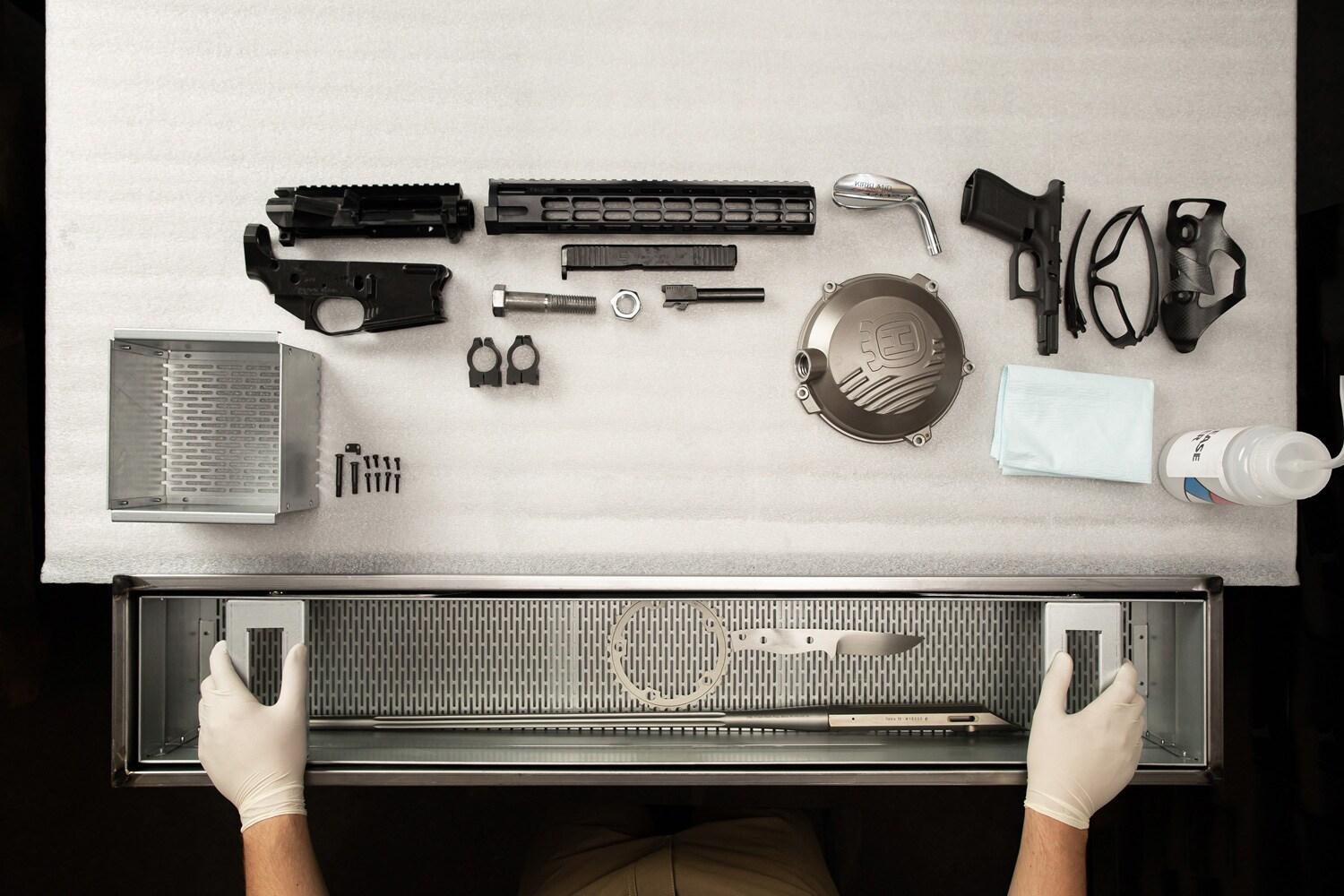
A solvent-based degreaser will provide the best ability to permeate tight tolerance areas and remove contaminants without being entrapped.
Alternative methods can also be used for degreasing metals but may be required when working with plastics, polymers, carbon fiber, fiberglass, or any other material sensitive to the recommended degreasing solvents.
Alternative Degreasing Methods and Benefits
Ultrasonic Cleaners
Ultrasonic Cleaners are commonly used when degreasing parts that may be more challenging to remove debris or contaminants from the substrate or in tight tolerance areas. Most ultrasonic cleaners are designed to use a water-based degreasing agent such as Simple green®. Other specifically designed, explosion-proof Ultrasonic Cleaners are also an option if a solvent is the preferred degreasing agent, e.g., acetone or brake parts cleaner.
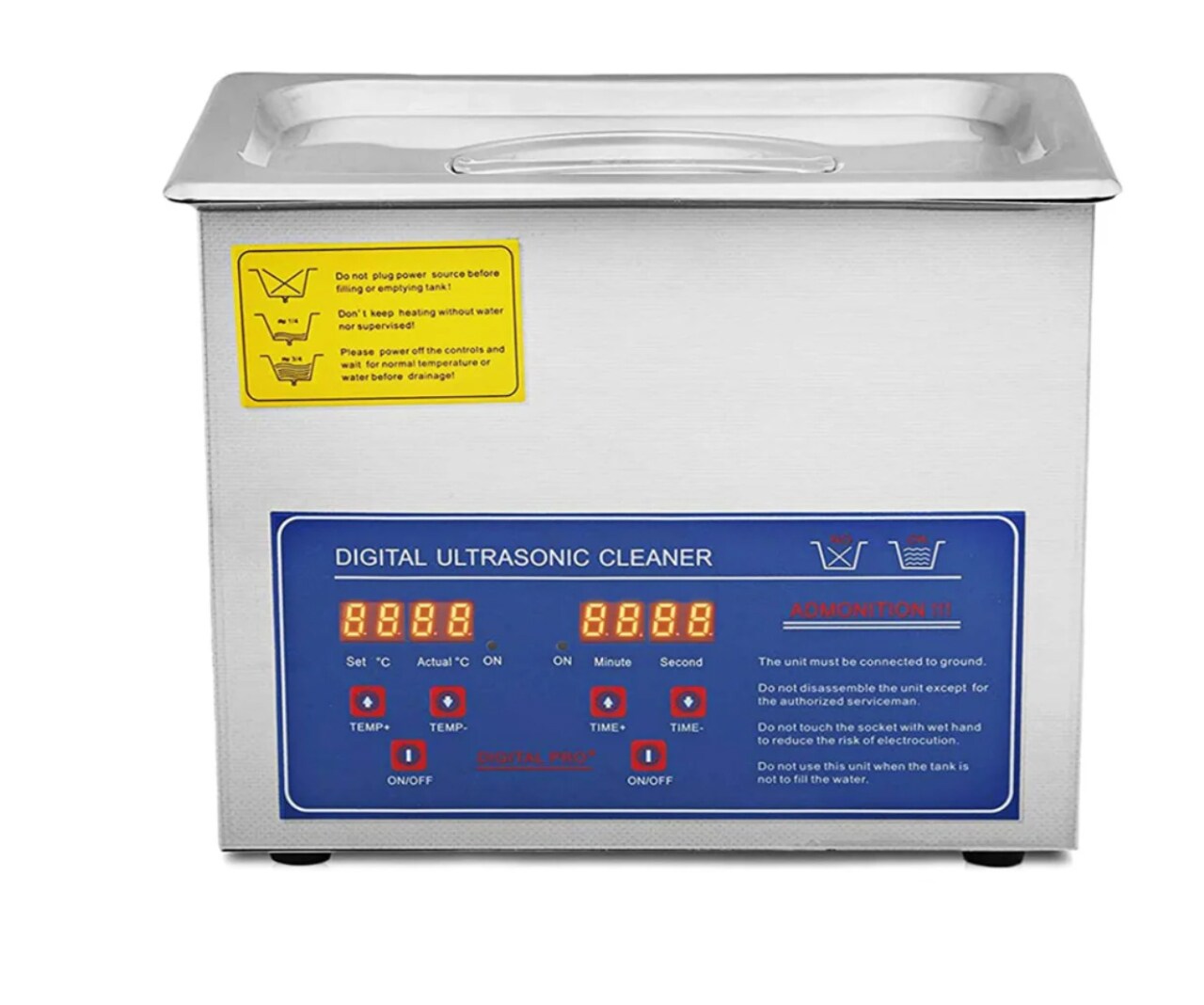
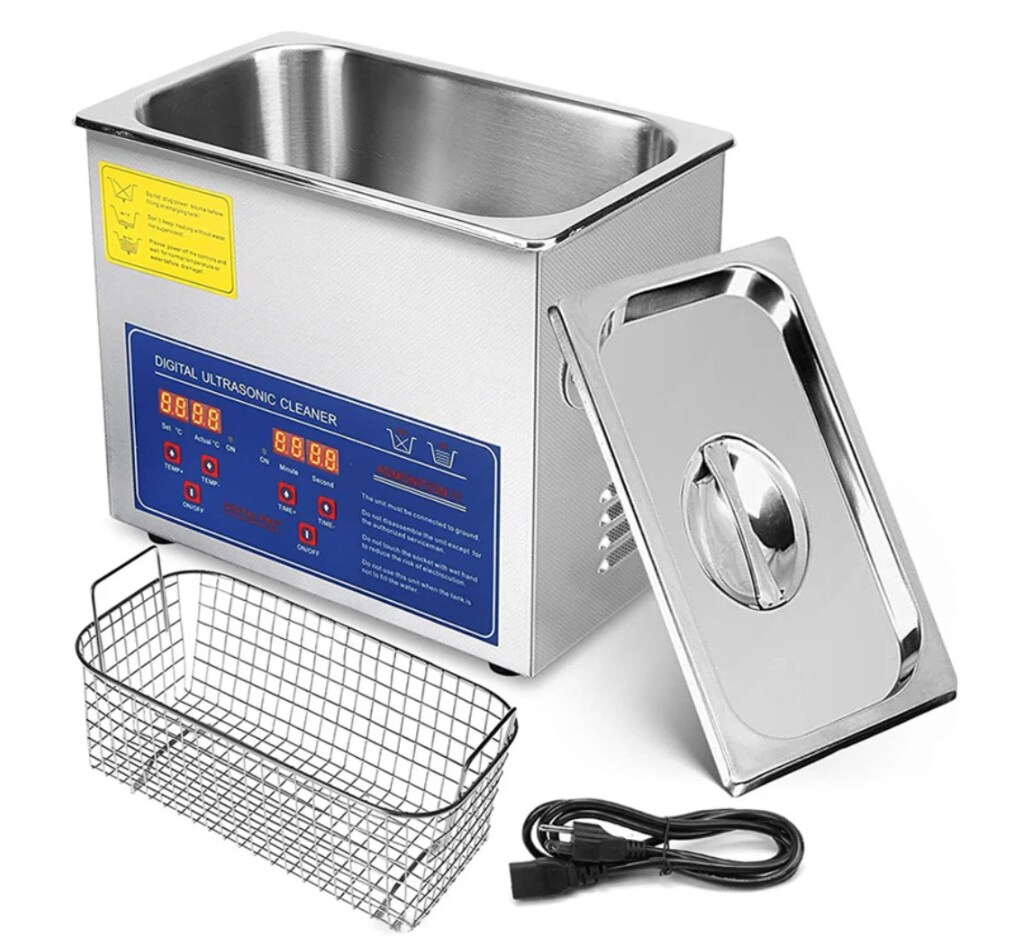
Ultrasonic cleaners use high-frequency sound waves (20kHz>) to create what is called cavitation bubbles. Cavitation bubbles will implode on the surface of the part and the surrounding areas to release a pressure wave of water vapor when the cavitation bubble pops. In combination with heat, this pressure wave will loosen debris from the parts, providing an effective and efficient degreasing process.
Operating an ultrasonic cleaner to be most effective will require adjustments to the listed items.
- WATER TEMPERATURE: Higher water temperatures will help soften and dissolve most contaminants to assist with loosening debris from the part’s surface. Most ultrasonic cleaners can be adjusted between 90°F - 180°F (32°C - 82°C).
- CLEANING SOLUTION: Various cleaning solutions, from solvent-based to water-based solutions, can be used in an ultrasonic cleaner. It’s always recommended to refer to the manufacturer's equipment directions for the proper cleaning solution.
- DILUTING SOLUTION: When using a water-based degreasing agent, diluting the solution at different mixing ratios can assist in the cleaning process. I.e., a 10:1 ratio, add 10 parts water to 1 part cleaning solution for a medium dilution. Always refer to the product directions for the recommended mixing ratios.
- CLEANING CYCLE DURATION: For heavily contaminated parts, a longer cleaning cycle will provide the time needed to remove debris completely. Cleaning cycles will usually be determined based on the type of material being cleaned and the degree of contamination.
- SOUND WAVE FREQUENCY: Increasing the soundwave frequency will create a higher volume of cavitation bubbles to speed up the process of removing debris. An increase in the sound waves can help expedite the cleaning process but can also potentially damage the material being cleaned. Always refer to the equipment directions for the recommended cleaning cycles.
Solvent Wipe
When degreasing more sensitive materials like plastics and composites, a multi-surface degreasing solvent, such as a wax and grease remover, can be used to wipe the surface clean. This method can be beneficial for one-off projects with parts that have little to no surface contamination, cutting time in the preparation process, and mitigating the possibility of damaging parts from soaking with harsher degreasing solvents.
This method will require lightly saturating a lint-free cloth with a multi-surface cleaning solvent and wiping the substrate until it is clean. Be cautious not to over-saturate the substrate with the degreasing solvent. To avoid oversaturation, use a wipe-on wet, wipe-off dry method (Use one cloth saturated with solvent to wipe the surface clean, immediately followed by using a separate dry cloth to wipe/dry off the solvents from the surface). Once completed and fully dry, you can move to the next phase of Cerakote Standard Operating Procedures (SOP).
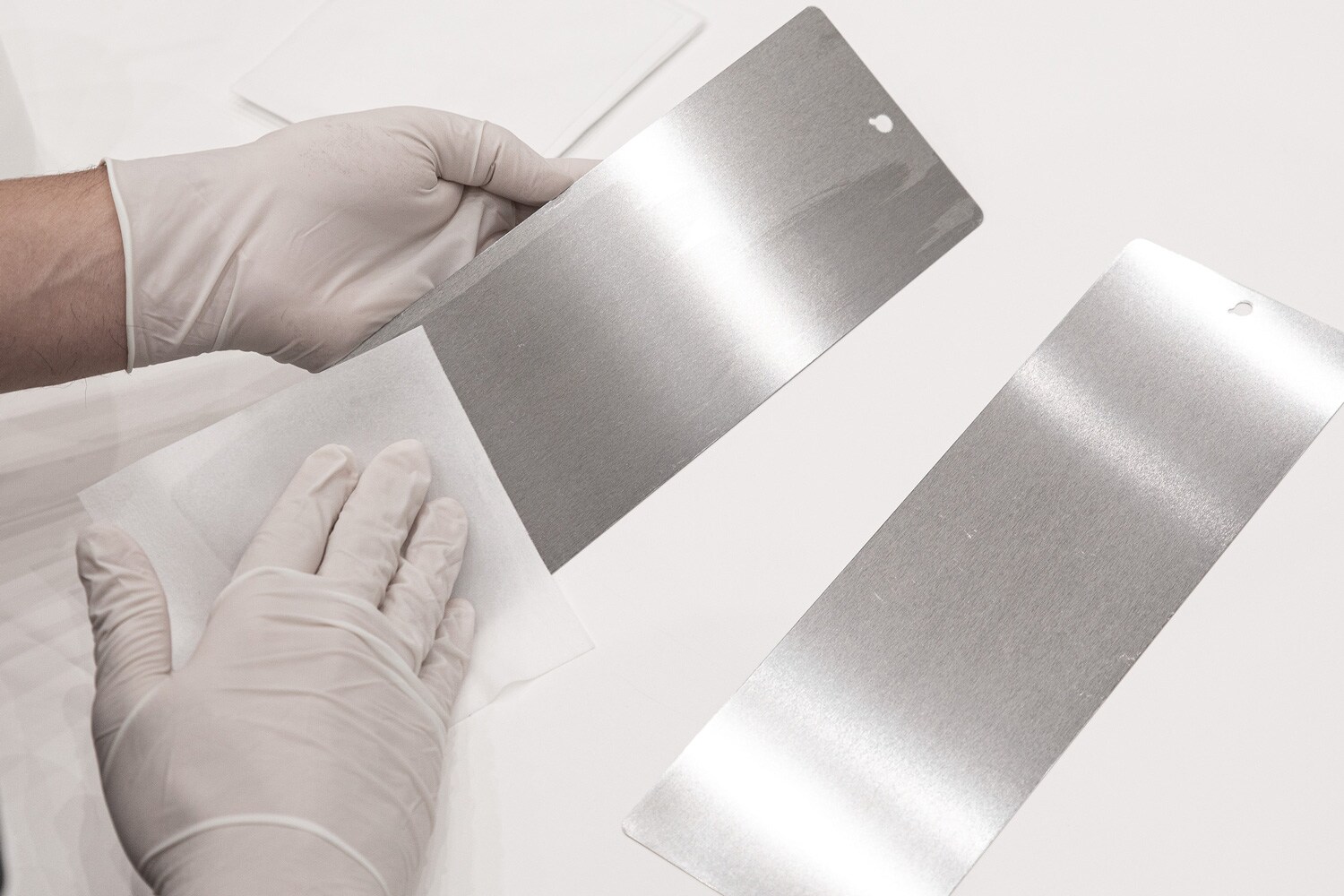
Wipe on wet
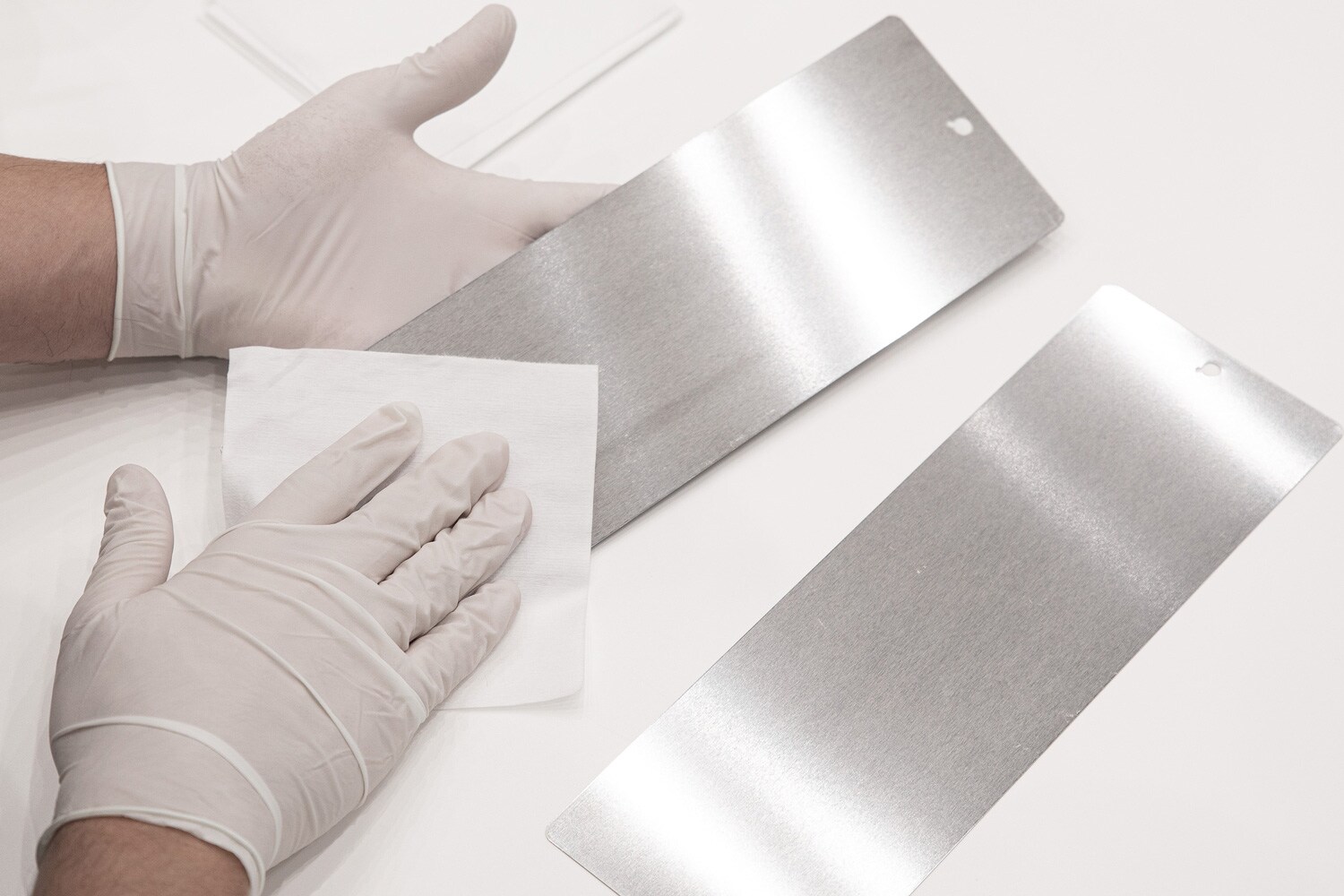
Wipe off dry
Alternative Degreasing Agents and Benefits
Simple Green®
When degreasing plastics or composites, solvent-based degreasers (acetone, brake parts cleaner) will typically not be used because these materials can be damaged if soaked. Utilizing a water-based cleaner like Simple Green® will prevent parts from being damaged and is more cost-effective and environmentally safe while still providing excellent results in removing tough grease and grime.
When using Simple Green® or any other water-based degreaser to replace a solvent-based degreaser, Cerakote SOP adjustments must be made.
Simple Green® degreasing SOP
DEGREASE
Step 1: Soak parts in Simple Green® for 20 – 30 minutes. Refer to the product directions for recommended solution ratios (water to Simple Green®).
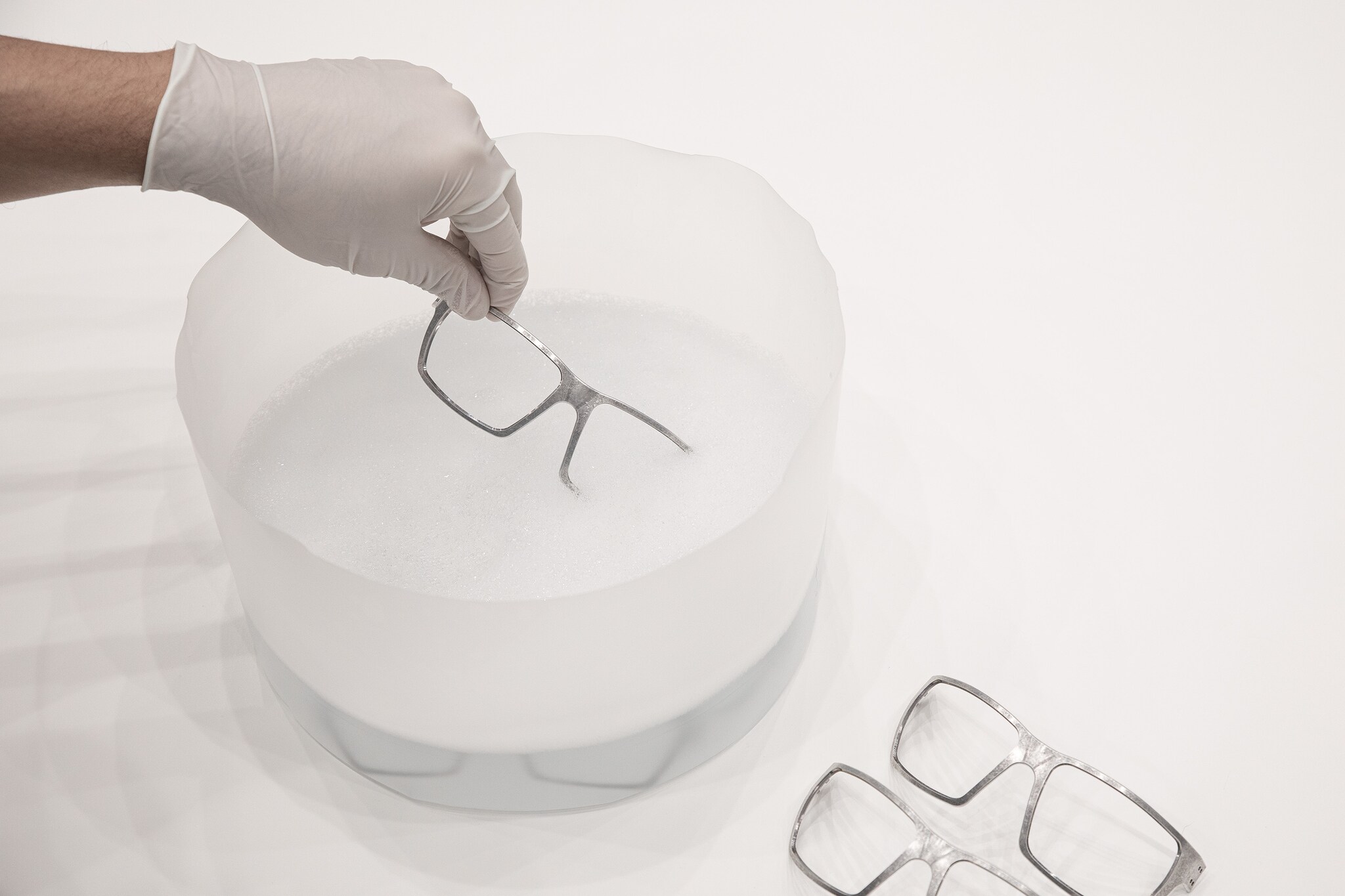
Step 2: Rinse any residue from the parts using warm water.
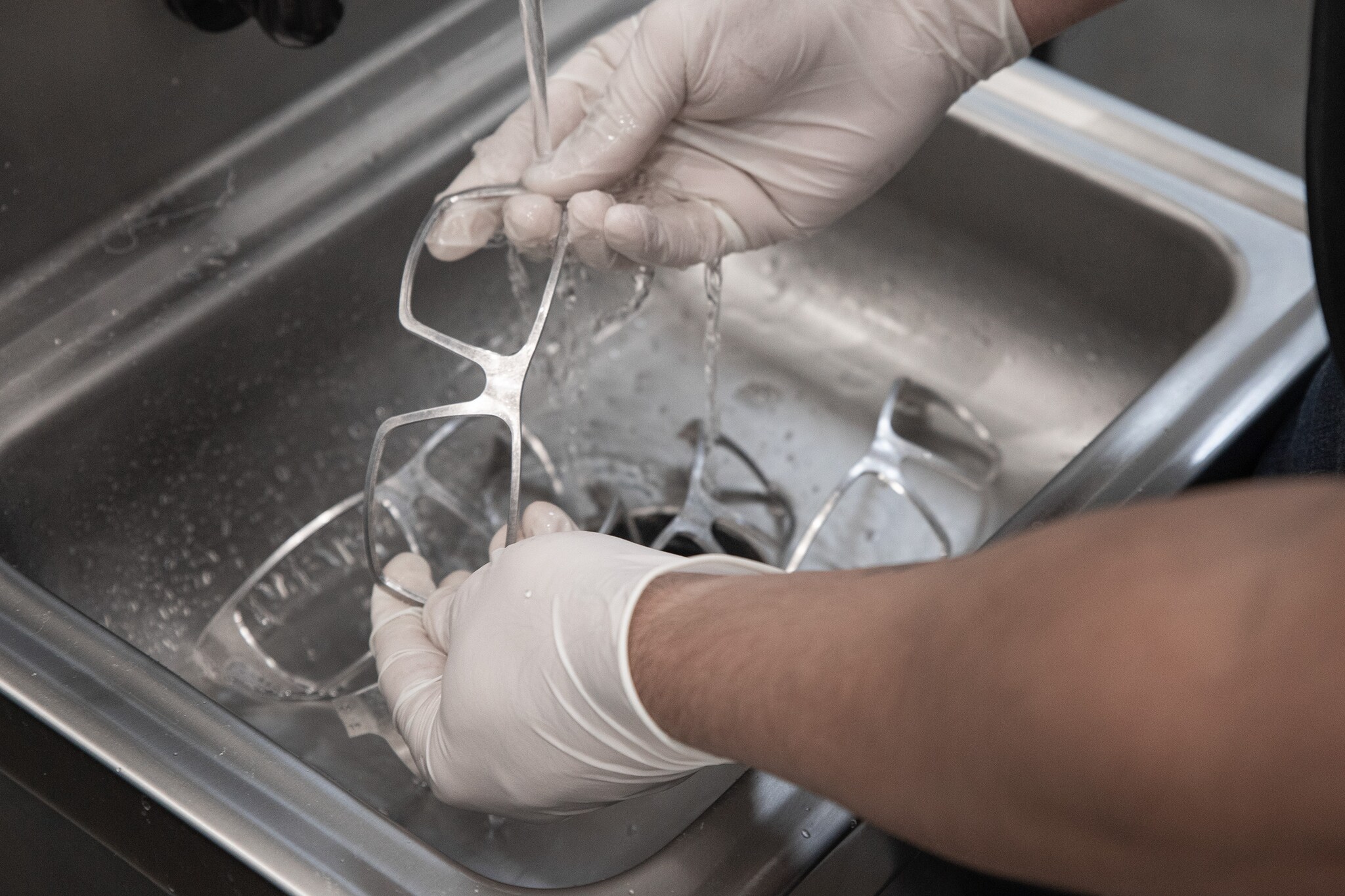
DRY/GAS-OFF
Step 1: Place parts into a 150°F - 180°F (65°C - 82°C) oven to dry and Gas-Off. This will double as a drying phase and a Gas-off phase.
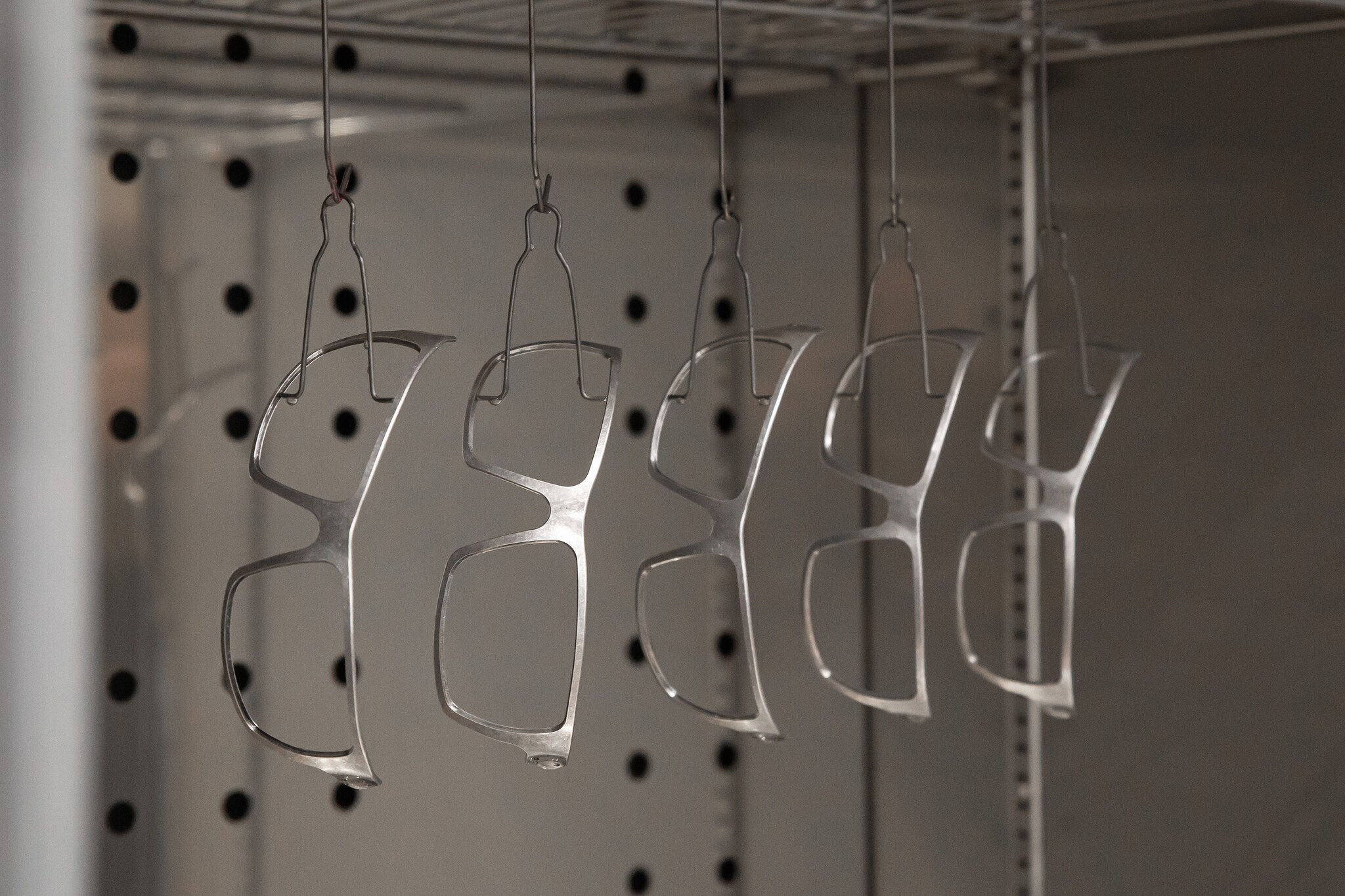
Step 2: Set a timer for 30 – 60 minutes to allow parts to completely dry and Gas-Off.
Step 3: Examine parts for contaminants and repeat the Degrease and Dry/Gas-Off phases if there are any visual indications of oil residue on the surface of the parts. When the parts are free of oil following the final gas out process, proceed to the following phases in the H-Series & Cerakote Elite Training Manual
- PHASE 3: Masking
- PHASE 4: Sandblasting
- PHASE 5: Racking
- PHASE 7: Coating Preparation
- PHASE 8: Spraying
- PHASE 9: Cure Schedule
Wax and Grease Remover
Wax and grease removers are used as a multi-surface preparation treatment and are a less aggressive solvent compared to acetone or brake parts cleaners. Wax and grease removers are great for various materials but are recommended for plastics and composites that cannot withstand harsher solvents.
When using a wax and grease remover to prep a surface, it’s best practice to use the wipe-on wet, wipe-off dry method (Use one cloth saturated with solvent to wipe the surface clean, immediately followed by using a separate dry cloth to wipe/dry off the solvents from the surface). Once completed and fully dry, you can move on to the next phase of Cerakote SOP.
Wipe on wet
Wipe off dry
Cerakote headquarters strictly follows standard operating procedures to provide consistency and quality results in coating applications and durability. However, we understand that Cerakote SOP may have to be adjusted to accommodate different substrates/materials.
Utilizing Cerakote standard degreasing methods or alternatives will mitigate the probability of finish defects in the following phases of the Cerakote preparation and application process.
For any questions or concerns with standard or alternative methods, please contact us at +49 (0) 4106-6414121 or technicalsupport@cerakote.de.


